
fbpx

Category Archives: Turbinate reduction

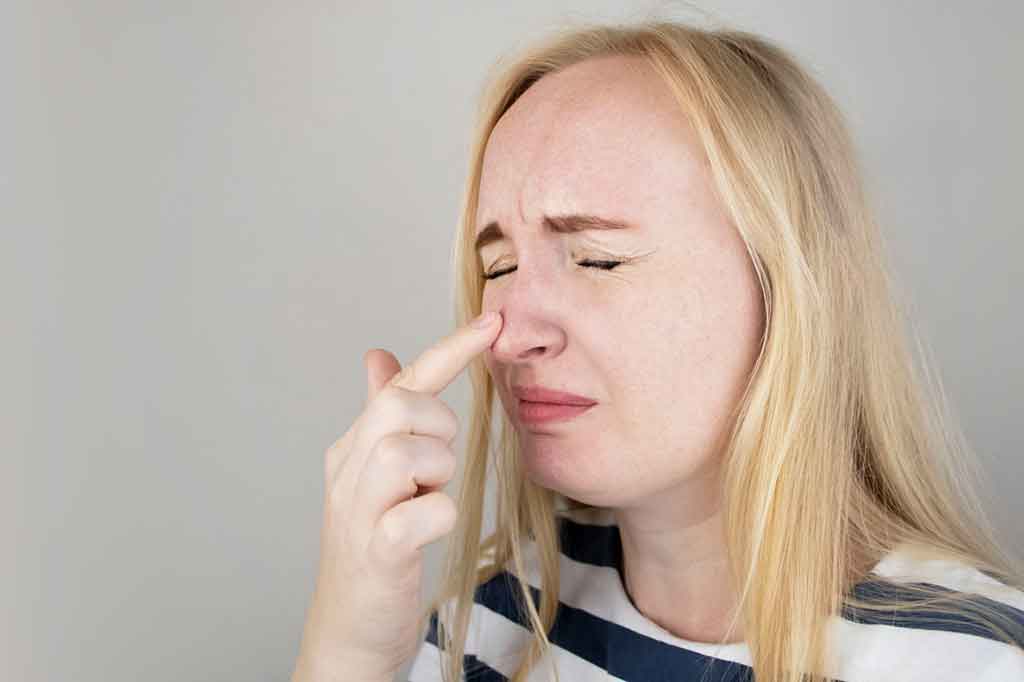
Nasal Strips in Fitness: Do They Actually Improve Your Workout?

Over the past several years, more and more people—from casual gym-goers to elite endurance athletes—have been wearing nasal strips during training. These small adhesive devices promise better airflow, easier breathing, and improved performance. But do they actually deliver? And who might truly benefit from using them? This article breaks down how nasal strips function, what […]

Can’t Breathe Through Your Nose? It Might Be Nasal Polyps

Can’t Breathe Through Your Nose? It Might Be Nasal Polyps

Have you been struggling with chronic nasal congestion, facial pressure, or a loss of smell that just doesn’t seem to improve? While these symptoms are often blamed on allergies or sinus infections, they may actually be caused by nasal polyps — soft, noncancerous growths that form inside the nose and sinuses. At Sinus & Snoring […]


Understanding Empty Nose Syndrome: Causes, Symptoms & Solutions

Understanding Empty Nose Syndrome: Causes, Symptoms & Solutions

Empty Nose Syndrome (ENS) is a lesser-known but serious condition that can develop following certain types of nasal surgery. While the name might sound like the nose is physically empty, the reality is more complex—and often frustrating—for those who experience it. What Is Empty Nose Syndrome? Empty Nose Syndrome is a condition that results from […]


What is the Best Treatment for Sinus Infection

What is the best treatment for sinus infection? If you get sinus infections, you’ve probably received lots of different treatments over the years. Depending on what type of provider you see, you may receive one or more of the following: an antibiotic, a steroid, a nasal steroid, over-the-counter meds or possibly nothing at all. Unfortunately, […]


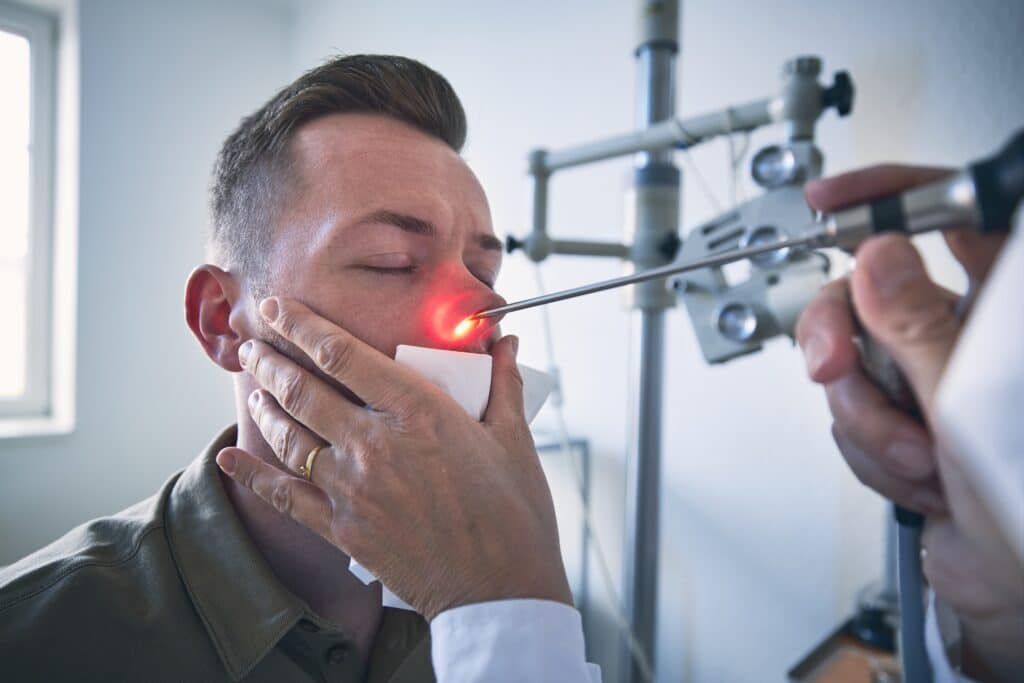
BREATHE EASIER WITH A TURBINATE REDUCTION

Turbinates are small structures located on the sidewall of each nasal cavity. Their purpose is to filter, warm, and humidify the air that enters the nose before it hits the lungs. There are three sets of turbinates in the nose, but the inferior turbinates are the largest, and typically cause the most symptoms. Turbinates are […]


Get In Touch With Us