
Snoring vs. Sleep Apnea: What’s the Difference and Why It Matters
- Posted on: Jan 21 2026
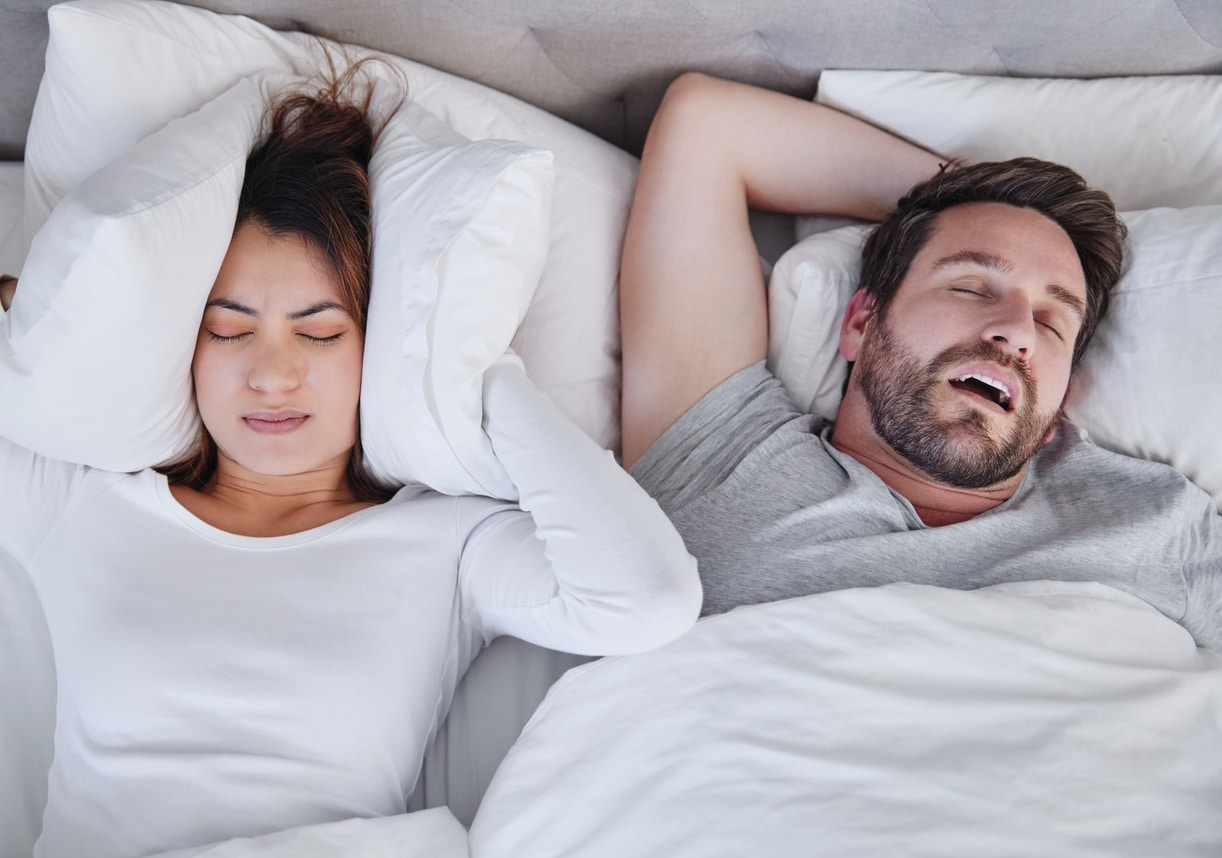
Snoring is often brushed off as a harmless nuisance, but in some cases it can be a sign of a more serious sleep-related breathing disorder. Snoring and obstructive sleep apnea are closely connected, even though they do not always occur together. Understanding how they relate can help you recognize when it may be time to talk to a doctor.
How Snoring and Sleep Apnea Are Connected
Snoring and sleep apnea exist along a spectrum of airway resistance during sleep. Snoring occurs when airflow through the upper airway is partially restricted, causing the surrounding tissues to vibrate and create noise. While snoring can disrupt a bed partner’s sleep and reduce sleep quality, it is not usually associated with major long-term health risks.
Obstructive sleep apnea occurs when this resistance is accompanied by repeated episodes of partial or near-complete airway collapse. When these breathing interruptions happen more than five times per hour of sleep, the condition meets the definition of sleep apnea. The severity increases as the number of events per hour rises.
Sleep apnea is almost always associated with snoring, but it is typically louder, more irregular, and accompanied by pauses in breathing that are often witnessed by a bed partner. In addition to poor sleep quality, sleep apnea is linked to serious health risks, particularly cardiovascular disease, and those risks increase as the condition becomes more severe.
Signs of Sleep Apnea You Should Not Ignore
Common symptoms of sleep apnea include loud or chronic snoring, witnessed pauses in breathing during sleep, and awakenings with gasping or choking. Many people also experience a racing heart at night.
Daytime symptoms are just as important. Waking up feeling unrefreshed, morning headaches, excessive daytime sleepiness, brain fog, and difficulty concentrating are common warning signs. Sleep apnea is also frequently associated with weight gain, high blood pressure, and other cardiovascular conditions.
Why Sleep Apnea Causes Daytime Fatigue
In untreated sleep apnea, repeated airway collapse leads to drops in blood oxygen levels during sleep. These events occur most often during deep, restorative sleep, when the muscles that keep the airway open naturally relax.
Each breathing interruption briefly pulls the brain out of deep sleep and into lighter, non-restorative sleep. Although these disruptions may not be remembered, they prevent the brain and body from completing the recovery processes that normally occur overnight. Over time, this leads to excessive daytime sleepiness, mental fog, and physical exhaustion. Untreated sleep apnea has also been linked to an increased risk of dementia and other serious health conditions.
Can Snoring Alone Cause Daytime Sleepiness?
Even without true apnea events, snoring can still disrupt sleep. Increased airflow resistance and tissue vibration can fragment deep sleep and reduce its restorative quality. In addition, bed partners may unintentionally wake the snorer during the night. While snoring alone does not carry the same health risks as sleep apnea, it can still result in poor-quality sleep and daytime fatigue.
The Health Risks of Untreated Sleep Apnea
Beyond sleepiness, untreated sleep apnea is associated with a wide range of health problems, including high blood pressure, diabetes, obesity, heart rhythm abnormalities, heart attack, stroke, and cognitive decline. It also increases the risk of car accidents and workplace injuries due to impaired alertness.
How Sleep Apnea Is Diagnosed
If sleep apnea is suspected, a physician will typically recommend a sleep study. This test is the definitive way to diagnose sleep apnea and determine its severity, allowing for appropriate treatment recommendations.
Tips to Reduce Snoring at Home
For people who snore but do not have sleep apnea, improving nasal breathing is key. Making sure the nasal airway is open and addressing mouth breathing issues can significantly reduce snoring. An evaluation by an ENT specialist is often helpful.
Over-the-counter options such as nasal strips or nasal cones may improve airflow, and treating allergies can make a difference. Mouth taping should not be used if nasal congestion is present. Sleeping on your side rather than on your back, avoiding alcohol within two hours of bedtime, and avoiding excessive fatigue before sleep can also help. If weight is a contributing factor, weight loss may reduce snoring.
At Sinus and Snoring Specialists, we have extensive experience with the spectrum of ear, nose, and throat conditions, with advanced services in snoring and sleep apnea. Call or securely text our clinic today at 512-601-0303 to request an appointment.
Posted in: Sleep Apnea, Snoring