Can Direct-to-Consumer Devices Diagnose Obstructive Sleep Apnea?
- Posted on: May 19 2026
What is OSA?
Obstructive sleep apnea (OSA) affects approximately 50 million adults in the United States. Common symptoms include snoring, gasping or choking during sleep, daytime fatigue, and observed pauses in breathing. Despite its prevalence, many cases remain undiagnosed.
How is OSA diagnosed?
The gold standard for diagnosing OSA is an in-laboratory sleep study, known as a polysomnogram (PSG). This test requires an overnight stay in a monitored sleep lab. During the study, multiple physiologic parameters are recorded, including brain activity (EEG), eye movements (EOG), muscle activity (EMG), heart rhythm (ECG), airflow, respiratory effort, and blood oxygen levels. Together, these measurements allow for a highly accurate diagnosis.
While PSG is reliable, it does present several challenges. Patients often have difficulty sleeping in an unfamiliar environment, which can affect results and delay diagnosis. Access may also be limited due to geographic and scheduling constraints. Additionally, cost can be significant, typically ranging from $1,000 to $10,000 depending on the facility and region.
Home Sleep Apnea Tests (HSAT) have emerged as a more accessible alternative. These tests are performed in the patient’s home environment and are increasingly covered by insurance. HSAT devices typically cost a fraction of in-lab studies—often about one-third—and allow patients to sleep more naturally while still providing strong diagnostic accuracy. As a result, HSAT is now commonly used as a first-line diagnostic tool for OSA in appropriate patients.
What direct-to-consumer devices are available?
In recent years, several direct-to-consumer (DTC) devices have entered the market, offering tools to screen for or, in some cases, diagnose OSA. These devices vary in complexity, from simple oxygen monitors to multi-parameter systems. In general, devices that measure more physiologic variables tend to have greater diagnostic accuracy.
Apple Watch (Apple)
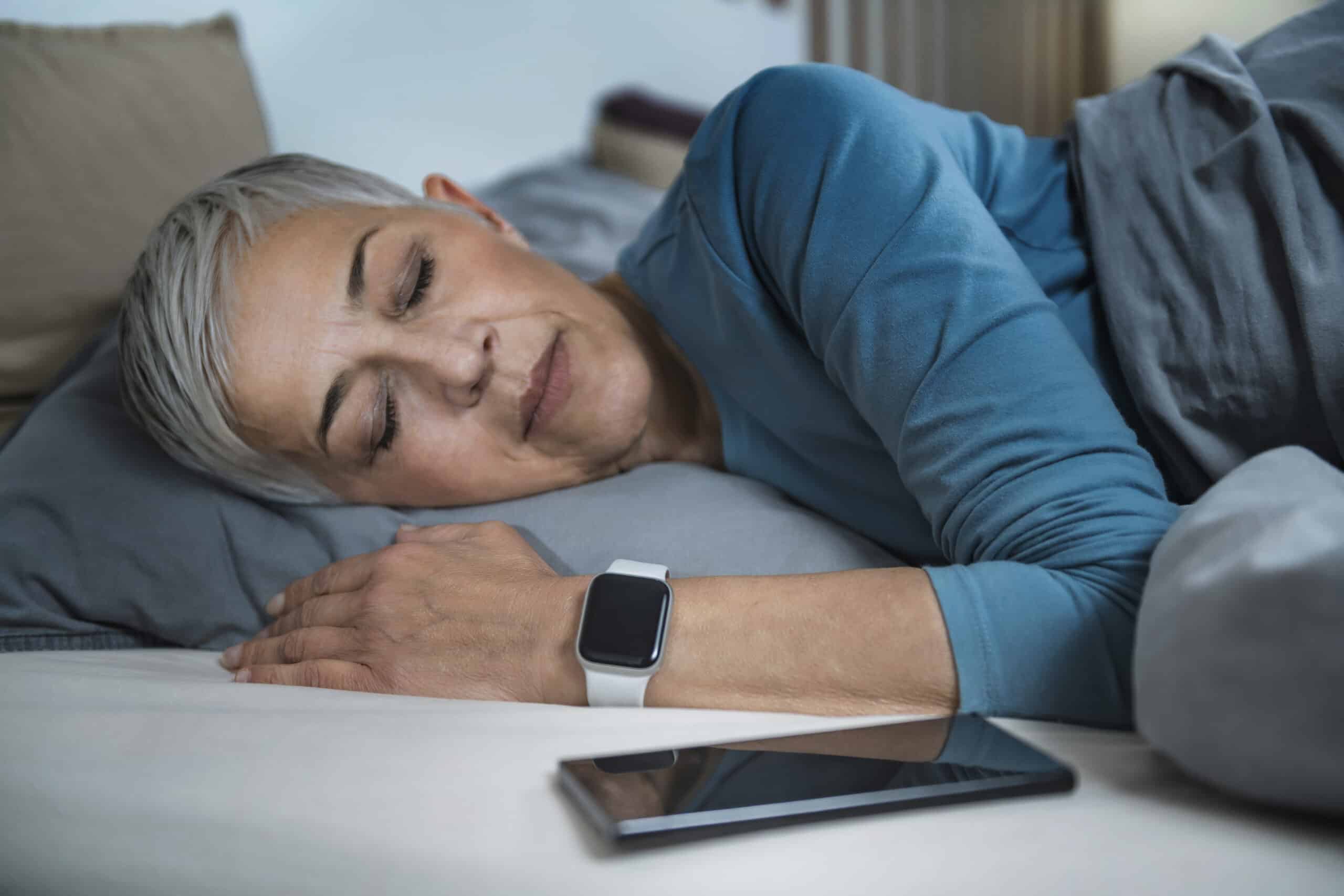
Certain models, including Series 9, Series 10, and Ultra 2, offer features that may suggest sleep- disordered breathing. Using a built-in accelerometer, these devices track wrist movement patterns during sleep, which may correlate with breathing disturbances. However, they do not diagnose OSA. A minimum of 10 nights of data within a 30-day period is required to generate insights, and any concerning findings should be followed by confirmatory testing such as HSAT.
Oura Ring (Oura Health)
The Oura Ring is a wearable device that tracks multiple sleep-related metrics, including heart rate, total sleep time, and blood oxygen saturation. While these data points can provide useful insights into sleep quality and trends, the device is not FDA-cleared for diagnosing OSA. Oura Health explicitly states that it is intended for wellness tracking rather than medical diagnosis. It may help identify patterns suggestive of sleep-disordered breathing, but confirmatory testing is still required.
NightOwl (ResMed)
NightOwl is a compact, finger-worn sensor that measures peripheral arterial tone, pulse rate, and blood oxygen levels. It is typically used over 2–3 nights and can be reused for multiple studies (up to 12 uses). Unlike many consumer devices, NightOwl is clinically validated and can be used to diagnose OSA in appropriate settings.
WatchPAT (ZOLL Itamar)
WatchPAT is a wrist-mounted device with a finger probe and chest sensor. It records peripheral arterial tone, heart rate, oxygen saturation, respiratory effort, and body position. The test is typically completed over a single night, with at least four hours of sleep required for accurate analysis. WatchPAT is widely used and can provide a definitive diagnosis of OSA.
The Bottom Line
Direct-to-consumer devices are expanding access to sleep health data and may play an important role in identifying patients at risk for OSA. However, not all devices are diagnostic. Many serve as screening tools that highlight the need for further evaluation.
A definitive diagnosis—and appropriate treatment—requires evaluation by a medical professional. At Sinus and Snoring Specialists, we focus on the full spectrum of sleep-disordered breathing and provide guidance from initial screening through diagnosis and treatment.
Tagged with: obstructive sleep apnea, Sleep apnea, sleep apnea treatment
Posted in: Home Sleep Test, Sleep Apnea