
Why Do My Ears Feel Full After Swimming?
- Posted on: Aug 12 2026
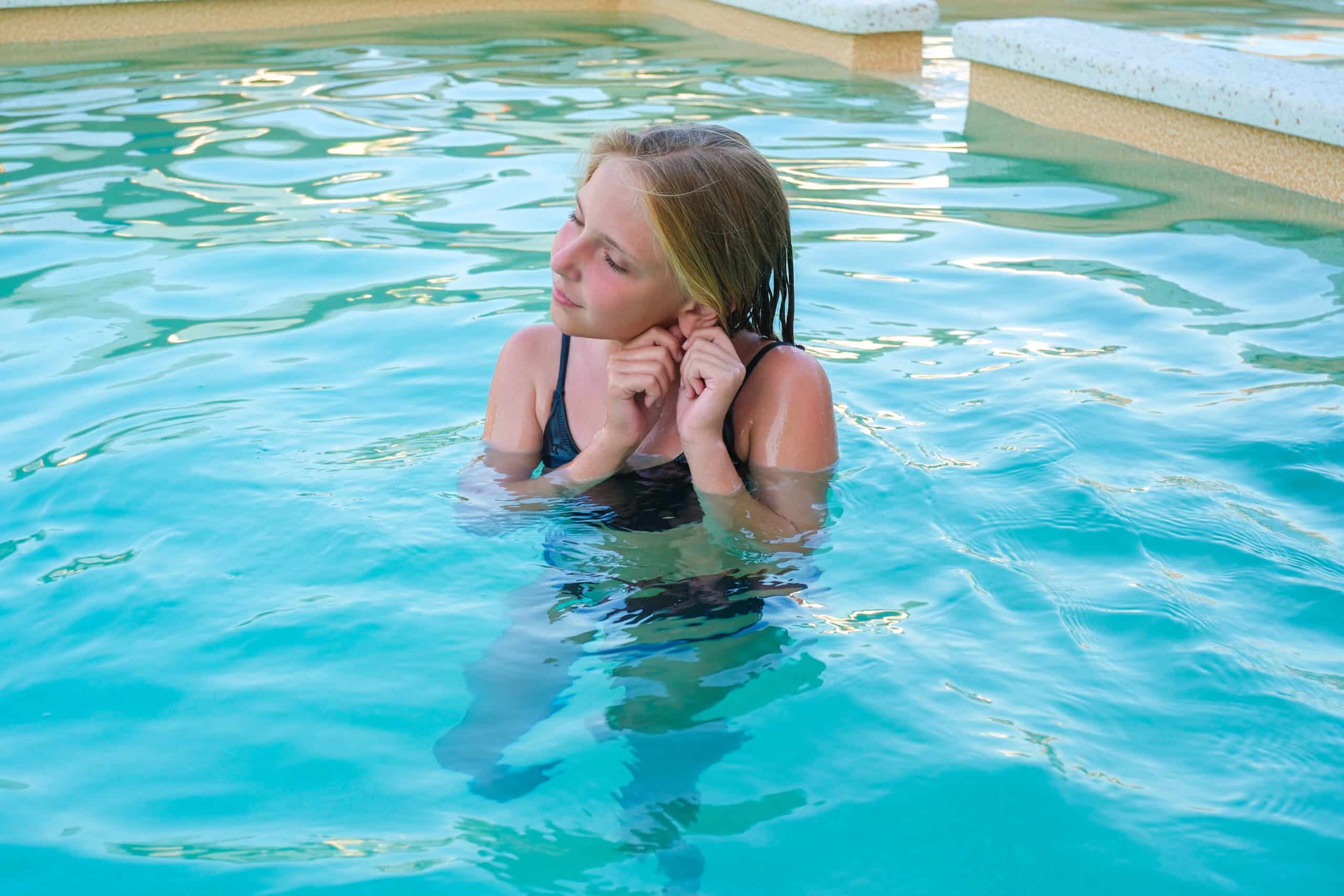
Spending time in the pool is a great way to stay cool during Austin’s hot summers. Unfortunately, many people experience ear pressure after swimming that can quickly put a damper on the fun.
What are Common Causes of Ear Pressure After Swimming?
The most common causes of ear pressure after swimming are:
- Water trapped in the ear canal
- The beginning of an outer ear infection (Swimmer’s ear or otitis externa)
- Changes in ear pressure from diving
The Right Treatment Depends On The Cause
Water trapped in the ear canal
Water remaining in the ear canal after water activities is a common complaint. Because the ear canals naturally curve, water can become trapped instead of draining out. The general recommendation for this is to gently pull the ear up and out to straighten the ear canal and bend down, which makes any trapped water more likely to exit. Using a hair dryer on a low setting can also help dry ears effectively after a stint in the pool. Using cotton swabs to dry the ear canals is not recommended, as they can irritate the ear canal skin and push water or earwax deeper into the canal.
Swimmer’s Ear (otitis externa)
An infection of the outer ear canal, called otitis externa, can also cause ear pressure after swimming. Also called “swimmer’s ear,” this infection involves the skin of the outer ear canal and can be caused by retained water in the ear canal, causing a break in the skin lining. This allows bacteria that normally live on the skin surface to pass by the skin barrier and infect the underlying tissues. These bacteria (and occasionally fungi) are particularly well-suited to grow in moist, humid environments. Symptoms of otitis externa include ear pain, itching, and discharge. Depending on the degree of swelling, this can also cause hearing loss. Swelling of the outer ear and jaw pain can occur as the infection progresses. Treatment for this infection generally requires cleaning the ear canal and using antibiotic and steroid ear drops. Maintaining a dry environment in the ear canal helps prevent regrowth of the offending microorganism.
Pressure Changes from Diving
Finally, changes in ear pressure from diving can cause a sense of ear fullness. This may occur because of barotrauma or because the ears are unable to equalize pressure properly through the eustachian tubes.
Barotrauma refers to damage to the eardrum from a sudden pressure change. The eustachian tubes, which are tunnels that open from the back of the nose and travel to the space behind the ear drums, work to equalize the pressure behind the eardrums to the outside pressure. In the event of a sudden change in pressure, as happens with diving or airplane travel, these tubes are meant to open and allow air to pass behind the eardrums to allow that pressure to be about equal to the outside pressure.
If these tubes are not functioning properly, or if the pressure change is too rapid, the pressure behind the eardrum can differ from that of the outside environment. This causes a feeling of stuffiness to the ear, some hearing loss and in some cases can cause fluid to build up behind the ear. Certain nasal or sinus conditions, including allergies and chronic sinus infections, make eustachian tubes less likely to work as they should.
When should I see an ENT provider?
You should see an ENT provider if your ear pressure lasts more than a day or two, continues to worsen, or is accompanied by symptoms such as ear pain, drainage, hearing loss, dizziness (vertigo), or bleeding. Patients who experience frequent ear infections or repeated episodes of swimmer’s ear should also be evaluated. At Sinus & Snoring Specialists, our ENT specialists can determine the underlying cause of your ear pressure and recommend the most effective treatment so you can get back to enjoying your summer activities. Request an appointment or call/securely text us at 512-601-0303.
Tagged with: Ear discomfort, ear pressure, otitis externa, swimmers ear, Swimming
Posted in: Ear and Hearing Care, Ear Pressure